NZ Business Connect

Rural

News, Rural

Dr. Gordon Rajendram, a leading soil scientist based in Hamilton, New Zealand, sheds light on the significance of Anion Storage Capacity (ASC)

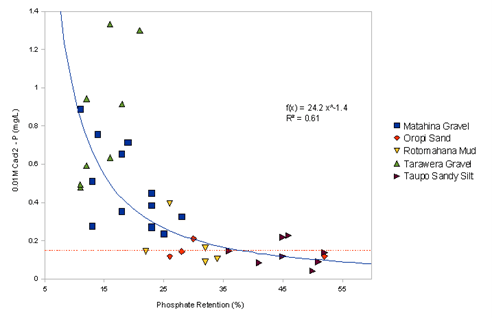
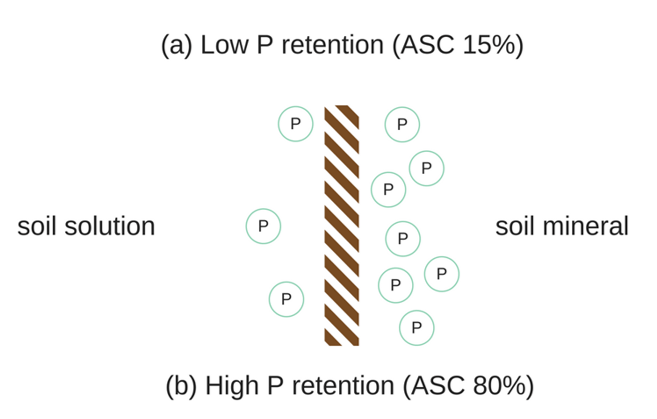
With his expertise in soil health and fertilisation practices, Dr. Rajendram emphasises the critical role of ASC in optimising agricultural productivity and environmental sustainability. ASC, or P-retention, refers to the soil’s ability to remove phosphorus (P) from the soil solution, thereby holding it firmly and making it less available to plants. This characteristic is largely influenced by soil mineral composition, particularly the presence of iron (Fe) and aluminium (Al), which act as binding agents for P. Soils with low ASC exhibit minimal P binding sites, potentially leading to nutrient leaching and reduced plant uptake. “Anion Storage Capacity (ASC) is the silent guardian of soil fertility, holding the key to sustainable agriculture. In a world where economic uncertainties loom large, understanding and enhancing ASC becomes imperative for farmers. By unlocking the potential of ASC through targeted soil management, we not only cultivate resilience in our farms but also nurture a healthier planet for generations to come.” – Dr. Gordon Rajendram In New Zealand, where farming practices are integral to the economy and food production, maintaining optimal soil fertility is paramount. However, amidst economic challenges such as recession and inflation, ensuring soil health becomes even more imperative for farmers striving to maintain profitability and sustainability. Understanding ASC is crucial for effective fertilisation strategies and soil management practices. By assessing ASC levels through soil testing, farmers can tailor their fertiliser applications to match the specific needs of their soils, thereby maximising nutrient utilisation and minimising environmental impact. Dr. Rajendram’s research underscores the importance of ASC in soil fertility management and its implications for farm profitability and environmental stewardship. By enhancing ASC through targeted soil amendments and conservation practices, farmers can improve nutrient retention, reduce nutrient runoff, and safeguard water quality. Moreover, prioritising soil health and ASC optimisation aligns with efforts to reduce the environmental footprint of agriculture. By minimising nutrient losses and enhancing nutrient cycling within the soil-plant system, farmers can contribute to the preservation of natural resources and ecosystems. In conclusion, Anion Storage Capacity (ASC) plays a pivotal role in soil fertility management and agricultural sustainability. Through the expertise of leading soil scientists like Dr. Gordon Rajendram and the adoption of innovative soil management practices, New Zealand farmers can navigate economic challenges while safeguarding soil health and enhancing farm resilience for future generations. Contact Dr. Gordon Rajendram Soil Scientist Soil Fertility, Agronomy & Farm Environmental Consultant Address: 9 Kakanui Avenue, Hillcrest, Hamilton 3216 Phone: 021 466 077 E-mail: rajendram@xtra.co.nz Web site:  https://gordonrajendramsoilscientist.co.nz/ ‘Bringing science to the farm ‘ Contact Phillip Quay Phone: 0274 587 724 Email: phillip@mediapa.co.nz Website: https://mediapa.co.nz/ Facebook: facebook.com/mediapa

News, Rural

Understanding Soil Compaction and the Importance of Soil Colloid Health: Insights from Agraforum New Zealand, Canterbury

Agraforum New Zealand, a pioneer in soil health innovations, delves deep into the complex issue of soil compaction, a critical limiting factor in successful agricultural production. By focusing on the molecular and electrical dynamics of soil colloids, Agraforum provides a clearer understanding and solution path for farmers globally. Soil compaction occurs when soil colloids, the smallest particles in soil, lose their electrical charge. These colloids are not just tiny granules of earth; they are electrically charged entities that play a pivotal role in soil structure. Each colloid carries an internal charge that holds it together and an external charge that attracts minerals, particularly cations. These cations, along with anions, form a cloud around the colloid, facilitating the bridging between colloids to form aggregates. This aggregation is crucial as it determines the soil’s ability to support healthy plant life by allowing adequate air and water flow and supporting nutrient uptake. However, compaction disrupts this delicate balance. Common agricultural practices such as the use of heavy equipment and excessive application of certain fertilisers can degrade the electrical bonds within the colloid clouds. Salts, sodium, sulfates, and even the overuse of pesticides contribute to this degradation. As the soil colloids disperse, they mimic dispersed tiny magnets, unable to cling together, thus severely diminishing soil structure. This results in dispersive soils that are prone to erosion and poor crop growth due to the exclusion of essential oxygen and the cessation of biological activity within the soil. Agraforum New Zealand’s approach to combatting soil compaction involves addressing the mineral balances surrounding the soil colloid, with a particular emphasis on calcium. Calcium’s strong electrical presence helps maintain the cloud around the colloids, encouraging aggregation and thereby restoring soil structure. This process reintroduces oxygen into the soil, creating a conducive environment for beneficial microbes. These microbes, particularly mycorrhizal fungi, excrete glomalin, a substance critical to further soil aggregation. While glomalin plays a significant role in improving soil health, it is not the initial step. The first crucial step is ensuring the mineral balance around the colloids is optimal, specifically dominated by available calcium. Agraforum New Zealand offers products that help farmers adjust these balances, significantly reducing the need for excessive fertilisation and irrigation, while enhancing plant resilience and productivity. By focusing on the underlying causes rather than merely addressing the symptoms of soil compaction, Agraforum empowers farmers to build sustainable and productive farming systems. Contact Agraforum New Zealand Mobile: 0274 485 159Email: allan@agraforum.co.nz www.agraforum.co.nz Contact Phillip Quayphillip@mediapa.co.nzP: 0274 587 724www.mediapa.co.nz

News, Rural

Dr. Gordon Rajendram, a Prominent New Zealand Soil Scientist Based in Hamilton, Delves Into the Crucial Role of Phosphate in Maintaining Soil Fertility

In New Zealand, where farming practices are integral to the economy and food production, soil fertility plays a pivotal role in determining the success of agricultural endeavours. However, amidst economic challenges such as recession and inflation, ensuring optimal soil health becomes even more imperative for farmers striving to maintain productivity and profitability. Phosphate, a key component of soil fertility, serves as a vital nutrient for plant growth and development. Its presence in the soil is essential for facilitating various biochemical processes necessary for crop production and pasture growth. Through soil testing and fertiliser recommendations, experts like Dr Rajendram help farmers assess and address deficiencies in phosphate levels, ensuring that their land remains fertile and productive. “Phosphate, the silent hero beneath our feet, holds the key to unlocking the potential of our soil. In a world of economic uncertainties, its role in maintaining soil fertility becomes paramount. By nurturing this vital nutrient, we not only cultivate bountiful harvests but also sow the seeds of sustainability for generations to come.” – Dr. Gordon Rajendram By maintaining adequate phosphate levels in the soil, farmers can optimise nutrient uptake by crops and pastures, leading to improved yields and enhanced animal nutrition. Pasture testing and feed analysis further aid in fine-tuning nutrient management strategies, ensuring that livestock receive balanced diets essential for growth and performance. Moreover, prioritising soil health and nutrient management not only benefits farm profitability but also contributes to environmental sustainability. By minimising the use of excess fertilisers and adopting precision farming practices, farmers can reduce their environmental footprint and mitigate the risk of nutrient runoff into waterways. Dr. Gordon Rajendram’s expertise in soil science and agricultural practices underscores the importance of proactive soil management in optimising farm productivity and sustainability. Through ongoing research and education initiatives, he continues to empower farmers with the knowledge and tools needed to safeguard soil health and enhance agricultural resilience in the face of evolving challenges. In conclusion, phosphate stands as a cornerstone of soil fertility, supporting vibrant farming ecosystems and ensuring food security for future generations. By heeding the insights of leading soil scientists like Dr Rajendram and prioritising soil health in farming practices, New Zealand farmers can navigate economic fluctuations while fostering a more sustainable and prosperous agricultural landscape. Contact Dr. Gordon Rajendram Soil Scientist Soil Fertility, Agronomy & Farm Environmental Consultant 021 466077 rajendram@xtra.co.nz www.gordonrajendramsoilscientist.co.nz ‘Bringing science to the farm ‘ Contact Media PA 027 458 7724 phillip@mediapa.co.nz www.mediapa.co.nz

News, Rural

Exploring the Prominent Soils of South Island, New Zealand: Insights from Agraforum New Zealand

In South Island, New Zealand, the diversity of soil types offers a unique tapestry that underpins the region’s agricultural and horticultural potential. The island’s varied landscapes are dominated by Podzol soils in the west, Brown and Pallic soils in the east, and semi-arid Brown stony soils in Central Otago. Agraforum New Zealand, based in Canterbury, provides valuable insights into these soils and offers guidance on optimising their use. Podzol Soils of the West: Characterised by their acidic nature and leached profile, Podzol soils are typically found under forested areas. These soils are often challenging for traditional farming due to their low fertility. However, they are excellent for forestry and certain types of berry cultivation. Enhancing these soils with appropriate organic amendments can improve their productivity for selected crops. Brown and Pallic Soils of the East: These soils are more fertile and versatile. Brown soils, which are prevalent on terraces and in hill country, are well-drained and suitable for a range of pastoral activities. Farmers can maximize yields by employing regular soil testing and tailored fertilization plans to maintain nutrient levels. Pallic soils, found in both rolling lands and flat terraces, often require careful management to avoid issues with drought stress, particularly under low rainfall conditions. Strategic irrigation and the use of drought-resistant crop varieties can help capitalize on their agricultural potential. Semi-arid Brown Stony Soils of Central Otago: These soils are unique to the arid conditions of Central Otago. Their stony texture provides excellent drainage, making them ideal for vineyards and stone fruit orchards. Viticulture thrives here, with the region’s renowned Pinot Noir attributing much of its character to these distinctive soils. Proper nutrient management and efficient water use are crucial for sustainable production. For all these soil types, sustainable practices such as crop rotation, soil testing, conservative tillage, and the integration of organic matter are recommended to enhance soil health and ensure long-term productivity. Agraforum New Zealand continues to support local farmers and growers in adapting these practices, ensuring that the rich soils of South Island are used to their fullest potential. Contact Agraforum New Zealand Mobile: 0274 485 159Email: allan@agraforum.co.nz www.agraforum.co.nz Contact Phillip Quayphillip@mediapa.co.nzP: 0274 587 724www.mediapa.co.nz

News, Rural

Profile Fertilisers, Pahiatua Recommends Enforcer: The Eco-Friendly Fertiliser Solution

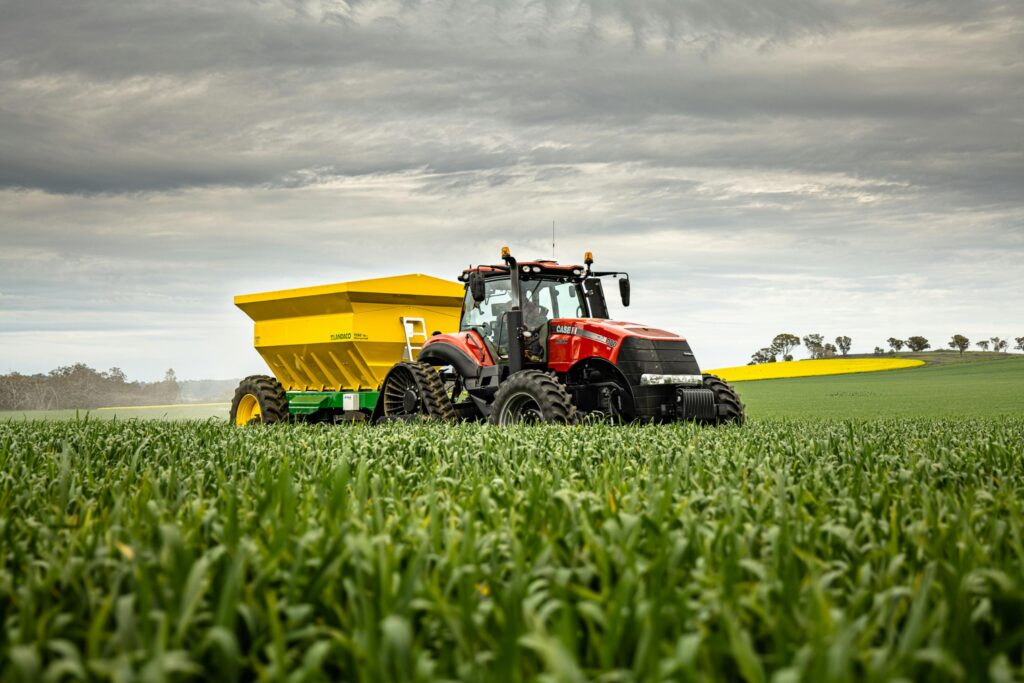
**Subject to availability** Profile Fertilisers is proud to present Enforcer, a revolutionary new product in agricultural nutrition. Designed as a slow-release, environmentally friendly alternative to traditional Diammonium Phosphate (DAP), Enforcer offers a balanced formulation of N 15, P 8, S 7, and Ca 16. This unique blend is not only cost-comparable to DAP but also boasts features that are specifically tailored to enhance soil health and plant nutrition over an extended period. Enforcer’s innovative formulation allows for a 75-day nitrogen release, which ensures a steady supply of this crucial nutrient. This slow release is particularly beneficial during the critical growth phases of crops, reducing the risk of nitrogen leaching into waterways and thereby supporting environmental sustainability. Additionally, the product features a long-term release of phosphate and sulphur, essential nutrients that support root development and overall plant health. Ideal for application from late autumn to early spring, Enforcer provides a robust nutrient foundation that supports plant growth throughout the colder months when nutrient uptake can be challenging. Its high calcium content is especially beneficial for soil structure, helping to improve water infiltration and aeration, which are crucial for healthy root development. Farmers and growers looking for a sustainable fertiliser option will find Enforcer to be an excellent choice. Its slow-release properties mean fewer applications are needed, reducing labour costs and environmental impact. By using Enforcer, farmers can maintain high yields and healthy crops while contributing positively to the environment by minimising runoff and nutrient leaching. Profile Fertilisers is committed to advancing agricultural practices that protect both yield and the environment. Enforcer is a testament to this commitment, offering a powerful yet sustainable solution that meets the needs of modern agriculture. Choose Enforcer for your crops and contribute to a healthier, more sustainable farming future. Contact Profile Fertilisers Don Henderson: 021 643 698 donh@profilefert.co.nz www.profilefert.co.nz Contact Phillip Quay Media PA phillip@mediapa.co.nz 027 458 7724 www.mediapa.co.nz

News, Rural

Exploring Soil Structure and Its Impact on New Zealand’s Agriculture by Dr. Gordon Rajendram, Leading Soil Scientist

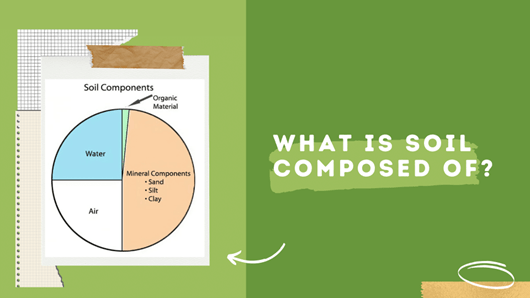
Soil structure plays a pivotal role in determining the agricultural productivity and sustainability of New Zealand’s diverse landscapes. Dr. Gordon Rajendram, a leading soil scientist, examines how the structural integrity of soil affects everything from water retention and drainage to root development and nutrient uptake. Understanding these differences is crucial for effective farm management and long-term soil health. In New Zealand, soil structure varies significantly not only between the volcanic soils in regions such as Waikato and Taranaki, and the sedimentary soils found predominantly in areas like Canterbury but also across other soil types such as peaty soils in wetter regions and clay soils in drier areas. Volcanic soils benefit from a loose, porous structure due to the presence of allophane, a mineral that not only enhances soil stability but also aids in significant carbon storage, with carbon levels reaching 10-12%, thereby enriching the soil’s organic content. This structure promotes excellent water retention and nutrient availability, making these soils ideal for high-demand agricultural activities, such as dairy farming. Conversely, sedimentary soils present different challenges. Dr. Rajendram explains, “Sedimentary soils tend to be denser and can suffer from compaction more easily, which reduces aeration and negatively impacts root penetration and moisture permeability.” These soils typically have lower organic matter content, generally around 3-5% carbon, making them more prone to degradation. which can lead to faster degradation and fertility loss over time if not managed correctly. Peaty soils, while excellent for specific horticultural uses due to their high organic matter content, require careful water management to prevent over-saturation, which can suffocate plant roots. Similarly, clay soils, known for their ability to retain water, are advantageous in drier regions but can become hard and crack when dry, posing challenges for root growth and soil aeration. Effective management practices are essential for maintaining the health of all these soil types. Dr. Rajendram highlights that strategies such as regular soil testing, appropriate crop rotation, and the careful application of organic amendments are vital. For volcanic soils, maintaining the structural integrity involves minimal tilling and controlled grazing to prevent compaction. For sedimentary soils, improving structure may involve more frequent organic matter addition and careful water management to avoid surface crusting and compaction. Dr. Rajendram emphasises that by tailoring farming practices to the specific type of soil structure, New Zealand farmers can enhance productivity and ensure the sustainability of their valuable agricultural lands.  Contact Dr Gordon Rajendram 021 466077 rajendram@xtra.co.nz www.gordonrajendramsoilscientist.co.nz Contact Phillip Quay phillip@mediapa.co.nz 027 458 7724 www.mediapa.co.nz

News, Rural

Enhancing Soil Structure for Optimal Productivity in New Zealand’s North Island with Profile Fertilisers from Pahiatua

In the diverse agricultural landscape of New Zealand’s North Island, understanding and enhancing soil structure is crucial for farming success. Profile Fertilisers stands at the forefront of providing tailored soil solutions that cater to the unique characteristics of the region’s varied soil types, from volcanic soils in areas like Waikato and Taranaki to the granular and pumice soils of the Central Plateau and the Northland region. Volcanic soils, known for their rich allophane content, offer excellent water retention and nutrient availability, which are advantageous for farming. However, these soils also require careful management to prevent compaction and maintain their organic content. Profile Fertilisers supports these efforts with bespoke fertiliser blends that maintain the delicate nutrient balance essential for preserving the structural benefits of allophane-enhanced soils. In addition to volcanic soils, the North Island features granular soils and pumice soils, which present their own set of challenges and benefits. Granular soils, often found in Northland, require careful nutrient management to avoid leaching due to their typically coarse texture. Pumice soils, whilst well-drained and light, can be nutrient-poor and prone to erosion. Profile Fertilisers addresses these issues with specially formulated products that improve nutrient retention and soil stability, enhancing plant growth and soil health. Profile Fertilisers advocates for practices such as minimal tilling and controlled grazing to protect soil structure across these varied types. Their slow-release fertilisers encourage deep root development, crucial for maintaining soil porosity and aeration. This approach not only helps in preventing compaction but also optimises the absorption of nutrients, reducing the risk of runoff and environmental impact. For farmers in New Zealand’s North Island, adapting fertilisation strategies to the specific needs of their soil type is key. Profile Fertilisers provides not only the necessary nutrients but also expert advice and support to ensure that soil management practices lead to sustainable productivity and long-term success. Through strategic partnerships with Profile Fertilisers, New Zealand farmers can enhance the health and productivity of their diverse soil types, securing the sustainability of their agricultural ventures. Contact Profile Fertilisers Don Henderson: 021 643 698 donh@profilefert.co.nz www.profilefert.co.nz Contact Phillip Quay phillip@mediapa.co.nz 027 458 7724 www.mediapa.co.nz
News, Rural

Agraforum New Zealand Addresses Soil Management Challenges in the South Island

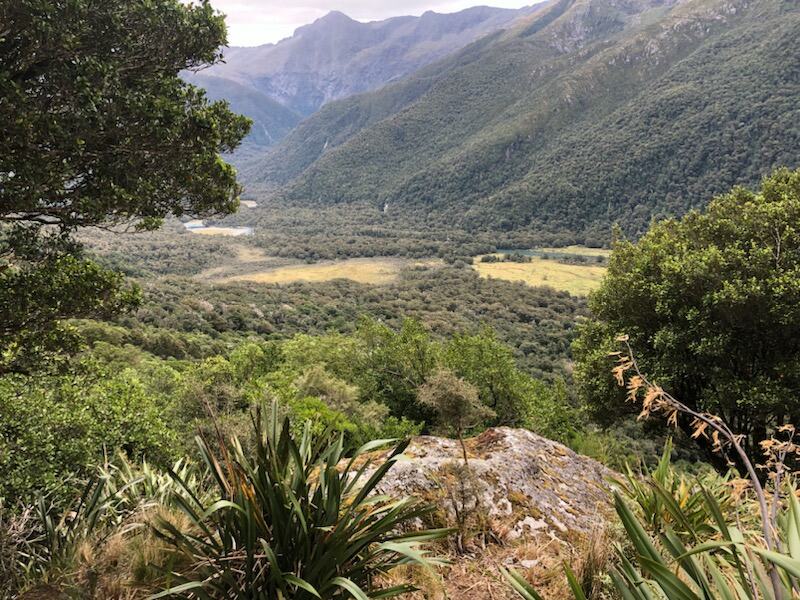
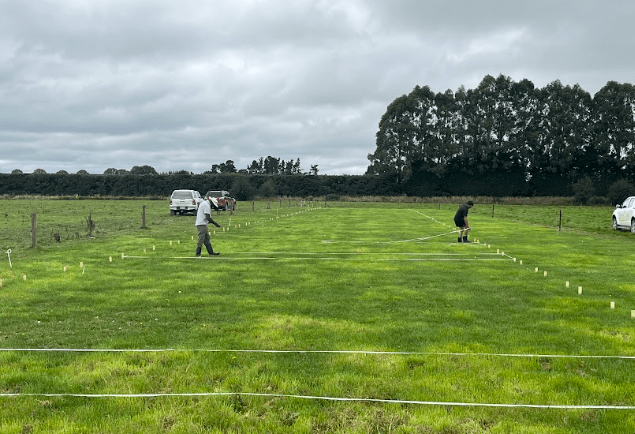
Agraforum New Zealand, a key player in agricultural consultancy, focuses on the varied landscapes of New Zealand’s South Island, which present unique challenges and opportunities for soil management. The region’s predominant sedimentary soils, derived from greywacke and other sedimentary rocks, are distinct from the volcanic soils found in the North Island. These sedimentary soils, especially prevalent in areas like Canterbury, play a central role in the island’s dairy farming operations. These soils in the South Island typically feature lower organic matter levels, with carbon content generally ranging between 3-5%. Agraforum New Zealand recognises the susceptibility of these soils to degradation, particularly due to their finer and less robust structure. “The structural challenges of sedimentary soils make them prone to compaction, significantly impacting their fertility and the productivity of our farms,” notes Dr Gordon Rajendram, a leading soil science expert working alongside Agraforum NZ. The intensive agricultural practices common across the South Island, including continuous dairy farming and cropping, often exacerbate soil degradation. The frequent use of chemical fertilisers, such as Diammonium Phosphate (DAP) and ammonium sulphate, leads to soil acidification, which in turn diminishes soil quality. “Such practices disrupt the microbial life within the soil, which is vital for sustaining soil health and fertility,” explains Dr Rajendram. Despite these challenges, the South Island’s diverse soil types, including loess in some regions, offer significant agricultural potential beyond traditional dairy farming. These fine, wind-blown silt particles are particularly well-suited for viticulture and certain types of horticulture, industries where the South Island has carved a niche. One of Agraforum NZ’s testing locations Committed to promoting sustainable soil management practices, Agraforum New Zealand advocates strategies such as crop rotation, reduced tillage, and the strategic use of soil tests and analysis to maintain or improve soil health. By adopting these sustainable practices, Agraforum aims to ensure the longevity and productivity of the agricultural lands, preserving the unique soil landscape of New Zealand’s South Island for future generations. Contact Agraforum NZ Mobile: 0274 485 159Email: allan@agraforum.co.nz www.agraforum.co.nz Contact Phillip Quayphillip@mediapa.co.nzP: 0274 587 724www.mediapa.co.nz

News, Rural

Phosphate in Balance: Insights from Leading Soil Scientist Dr Gordon Rajendram, Waikato

In the verdant landscapes of New Zealand, where agriculture forms the backbone of the economy, maintaining the right balance of nutrients in the soil is critical for both crop yield and environmental sustainability. Dr Gordon Rajendram, a renowned soil scientist, draws attention to an often-overlooked issue: the signs of excessive phosphate levels in the soil, a condition that can have far-reaching consequences for both agriculture and natural ecosystems. Phosphate is an essential nutrient for plant growth, but like anything in excess, it can lead to problematic outcomes. One of the primary signs of too much phosphate in the soil is the inhibition of plant uptake of other necessary minerals, such as iron, zinc, and manganese. This nutrient imbalance can result in poor plant health and reduced growth, a paradoxical situation where more is indeed less. Moreover, excessive phosphate can lead to algal blooms in nearby water bodies, as runoff carries the surplus nutrients into rivers and lakes. These blooms not only disrupt aquatic ecosystems but can also pose a risk to animal and human health. In New Zealand, with its extensive coastlines and waterways, this issue is of particular concern, highlighting the need for careful nutrient management. Dr Rajendram points out that soil testing is a crucial step in identifying excessive phosphate levels. Such tests can help farmers and land managers make informed decisions about fertiliser application, reducing unnecessary inputs and mitigating environmental impacts. Another sign of too much phosphate is the appearance of certain weed species that thrive in high-phosphate conditions. These weeds can outcompete crops and native plants, further disrupting agricultural productivity and biodiversity. Phosphate holds a pivotal role in the tapestry of soil nutrients, serving as a cornerstone for plant growth and agricultural productivity. Dr Gordon Rajendram emphasises the significance of phosphate, noting, “Phosphate is akin to a key that unlocks the energy potential within plants. It’s essential for photosynthesis, energy transfer, and the synthesis of nucleic acids and cell membranes. Without adequate phosphate, plants cannot thrive or produce at their full potential.” In conclusion, recognising and addressing the signs of excessive phosphate in New Zealand’s soils is a critical step towards sustainable agriculture and environmental stewardship. Through careful management and a commitment to balance, the country can continue to thrive both economically and ecologically. Contact Dr Gordon Rajendram 021 466077 rajendram@xtra.co.nz www.gordonrajendramsoilscientist.co.nz Contact Phillip Quay phillip@mediapa.co.nz 027 458 7724 www.mediapa.co.nz

Scroll to Top