NZ Business Connect

Rural

News, Rural

Enhancing Soil Magnetism and Addressing Compaction with Envirocal – Agraforum New Zealand

Soil magnetism plays a crucial role in soil health, affecting nutrient availability, soil structure, and microbial activity. An often-overlooked cause of soil compaction is the loss of electrical charge in soil colloids—tiny charged particles essential for maintaining soil structure. This disruption, caused by excessive salts, sodium, and poor agricultural practices, weakens soil colloids, leading to compaction and degradation. Envirocal, a calcium-based soil conditioner, addresses these issues by enhancing the electrical charge of soil colloids. Calcium helps bind soil particles together into aggregates, improving soil structure and health. This creates a favourable environment for soil microbes, which are vital for forming soil aggregates and enhancing soil structure through the production of glomalin. Correcting Soil Compaction Compaction, often seen as a result of heavy machinery or excess rainfall, actually stems from the loss of electrical charge in soil colloids. These colloids act like magnets, with internal and external electrical charges that bind them into aggregates by attracting a balance of cations and anions. When this balance is disrupted by excessive salts (found in most fertilisers, herbicides, insecticides, and pesticides), sodium, or poor agricultural practices, the colloids weaken and disperse, leading to soil degradation and erosion. The key to mitigating compaction lies in correcting mineral balances, particularly by increasing available calcium. This enhances the electrical charge of soil colloids, promoting aggregation and improving soil health. Improved soil structure also fosters a hospitable environment for soil microbes, crucial for forming soil aggregates and enhancing soil structure through glomalin production. Addressing soil compaction and enhancing soil magnetism with Envirocal is essential for sustainable farming. By improving soil structure and nutrient availability, Envirocal helps create a healthier soil environment, leading to better crop yields and long-term soil health. As highlighted by Agraforum New Zealand, focusing on correcting the underlying causes of compaction is crucial for maintaining productive and sustainable agricultural practices. Contact Agraforum New Zealand Mobile: 0274 485 159Email: allan@agraforum.co.nz www.agraforum.co.nz Contact Phillip Quayphillip@mediapa.co.nzP: 0274 587 724www.mediapa.co.nz

News, Rural

Optimising Soil Health and Forage Growth in Winter – Profile Fertilisers, Whanganui

Winter presents unique challenges for maintaining soil health and ensuring robust forage growth. Cold temperatures and heavy rainfall can lead to soil compaction and nutrient leaching, affecting crop productivity. Profile Fertilisers offers solutions to these issues, emphasising the importance of tailored fertilisation strategies to maintain soil vitality during the winter months. Effective winter soil management begins with understanding the specific needs of your soil. Regular soil testing is crucial to identify nutrient deficiencies and tailor fertilisation strategies accordingly. Profile Fertilisers provides comprehensive soil testing services, allowing farmers to make informed decisions about nutrient applications. Heavy machinery use and wet conditions can lead to soil compaction, hindering root growth and reducing soil aeration. To mitigate this, consider using soil conditioners and gypsum-based products to improve soil structure and drainage. These amendments help maintain porosity, ensuring roots have access to essential nutrients and oxygen. Winter rains can cause nutrient leaching, depleting soil of essential elements. Applying slow-release fertilisers can help maintain nutrient availability throughout the season. Profile Fertilisers offers a range of products designed to enhance nutrient retention and support plant health during winter. Incorporating cover crops during winter can improve soil structure, reduce erosion, and enhance organic matter content. Cover crops like clover and rye can fix nitrogen and protect soil from harsh weather conditions, creating a healthier environment for subsequent plantings. Profile Fertilisers advocates for customised fertilisation plans based on soil test results. By addressing specific soil needs, farmers can optimise nutrient uptake and improve forage growth, even in challenging winter conditions. Maintaining soil health during winter is crucial for sustainable farming. With tailored solutions from Profile Fertilisers, farmers can effectively manage soil compaction, nutrient retention, and overall soil vitality, ensuring robust forage growth and soil health year-round. Contact Profile Fertilisers Don Henderson: 021 643 698 Factory:027 222 7698donh@profilefert.co.nz www.profilefert.co.nz Contact Phillip Quay phillip@mediapa.co.nz 027 458 7724 www.mediapa.co.nz


News, Rural

The Role of Allophane in Carbon Sequestration: New Zealand’s Volcanic Soils Uncovered by Soil Scientist Dr Gordon Rajendram

Volcanic soils, rich in unique minerals such as allophane, play a pivotal role in New Zealand’s agricultural success and environmental sustainability. Dr. Gordon Rajendram, a leading soil scientist, explains that allophane, an amorphous mineral found predominantly in the volcanic ash soils of regions like Waikato and Taranaki, significantly enhances carbon sequestration capabilities, which is crucial in the fight against climate change. Carbon sequestration in soils is a natural way of removing carbon dioxide from the atmosphere and storing it in a solid form. In New Zealand, volcanic soils have demonstrated a remarkable ability to store carbon, with carbon levels reaching 10-12% in some areas. This high organic content not only bolsters soil fertility but also contributes to a healthier microbial environment, which is essential for sustainable agricultural practices. “Allophane’s structure allows these soils to lock in carbon effectively, making them less prone to the typical losses seen in other soil types,” Dr. Rajendram notes. “This characteristic is vitally important for maintaining soil health and long-term agricultural productivity.” Moreover, the presence of allophane influences the physical properties of soil, such as texture and water retention, which are beneficial for plant growth. Its ability to bind with organic matter reduces the rate at which carbon decomposes, thereby keeping it stored in the soil for longer periods. This process not only improves the soil’s structure but also its resistance to erosion and degradation. Dr. Rajendram underscores that understanding the interaction between allophane and organic carbon offers significant insights into sustainable land management practices. By promoting the health of volcanic soils, New Zealand can continue to lead in sustainable agriculture, leveraging its unique geological assets to benefit both the environment and farming communities. The ongoing research and management strategies aimed at enhancing carbon sequestration in these soils not only address global environmental concerns but also support the agricultural sector crucial to New Zealand’s economy. Contact Dr Gordon Rajendram 021 466077 rajendram@xtra.co.nz www.gordonrajendramsoilscientist.co.nz Contact Phillip Quay phillip@mediapa.co.nz 027 458 7724 www.mediapa.co.nz

News, Rural

Soil Compaction: A Hidden Threat to Root Development and Forage Growth – Agraforum New Zealand

Soil compaction is an often-overlooked factor that can significantly impact root development in plants, leading to reduced forage growth on the surface. This physical phenomenon occurs when soil particles are pressed together, reducing pore space and hindering the movement of air, water, and nutrients through the soil. As Dr Gordon Rajendram, a renowned soil scientist, explains, “Compacted soil creates a hostile environment for roots, limiting their growth and ultimately affecting plant health and productivity.” Consequently, compacted soil presents a challenging environment for root growth, which in turn affects the overall health and productivity of forage crops. Agraforum New Zealand delves into the impact of soil compaction on plant roots and surface forage growth. The root system of a plant is essential for its ability to access water and nutrients, anchor itself in the soil, and interact with beneficial soil organisms. In compacted soils, the restricted pore space limits root penetration, often causing roots to grow horizontally rather than vertically. This shallow root system reduces the plant’s ability to access deeper soil layers where moisture and nutrients are often more plentiful, particularly during dry periods. Consequently, plants growing in compacted soils are more susceptible to drought stress and nutrient deficiencies. Moreover, the restricted root growth in compacted soils affects the plant’s ability to establish a robust and extensive root system. This limitation can lead to reduced plant vigour and lower biomass production. For forage crops, this translates to less available forage for livestock, which can have significant economic implications for farmers. Compacted soil not only limits root depth and growth but also affects the soil’s ability to support healthy microbial activity, further reducing the soil’s fertility and the quality of the forage produced. Soil testing is crucial for identifying compaction issues and determining the appropriate corrective measures. Products such as Envirocal and ComCat are beneficial in mitigating soil compaction. Envirocal, a calcium-based soil conditioner, helps to improve soil structure, while ComCat, a biostimulant, enhances root growth and overall plant health. These products, when used in conjunction with good soil management practices, can significantly reduce the impact of soil compaction. In conclusion, soil compaction poses a serious threat to root development and forage growth. By understanding the implications of compacted soils and adopting appropriate management practices, farmers can improve root health, enhance forage production, and ensure the sustainability of their farming systems. As highlighted by Agraforum New Zealand, addressing soil compaction is crucial for maintaining productive and sustainable agricultural practices. Contact Agraforum New Zealand Mobile: 0274 485 159Email: allan@agraforum.co.nz www.agraforum.co.nz Contact Phillip Quayphillip@mediapa.co.nzP: 0274 587 724www.mediapa.co.nz

News, Rural

Preparing Your Soil for Winter: Essential Tips for a Healthy Spring with Profile Fertilisers from Pahiatua

As winter approaches, farmers and lifestyle block owners should turn their attention to soil preparation. The health of your soil during the colder months is crucial for a thriving crop or pasture come spring. By taking a few essential steps now, you can ensure your soil remains fertile and ready for the growing season. Profile Fertilisers offers a range of products that can help maintain and enhance soil health throughout winter. Firstly, it’s important to clean up your fields and paddocks. Remove any dead plants, weeds, and debris that can harbour pests and diseases over winter. Once your land is clear, consider adding a layer of organic matter, such as compost or well-rotted manure. This not only improves soil structure but also provides essential nutrients that will slowly release over winter. Winter is also an excellent time to test your soil. Knowing its pH and nutrient levels allows you to make informed decisions about fertilisation. Dr Gordon Rajendram, a renowned soil scientist, emphasises, “Regular soil testing is essential for understanding your soil’s unique needs. It allows you to apply the right nutrients in the right amounts, ensuring optimal soil health and crop productivity.” One key aspect of winter soil preparation is protecting the soil from erosion and nutrient loss. Cover crops, such as clover or rye, can be sown in late autumn. These crops help prevent soil erosion, suppress weeds, and, when turned into the soil in spring, add valuable organic matter. Profile Fertilisers’ range of soil conditioners can also be beneficial, improving soil texture and moisture retention. Additionally, applying a slow-release fertiliser in late autumn can provide a steady supply of nutrients throughout winter. Profile Fertilisers’ products are designed to work with the natural processes of the soil, ensuring that nutrients are available when plants need them most. By taking these steps, you can ensure your soil remains healthy and productive throughout winter. With the help of Profile Fertilisers, you can look forward to a bountiful and vibrant crop or pasture come spring. Preparing your soil now sets the stage for a successful and prosperous growing season ahead. Contact Profile Fertilisers Don Henderson: 021 643 698 Factory: 027 222 7698donh@profilefert.co.nz www.profilefert.co.nz Contact Phillip Quay phillip@mediapa.co.nz 027 458 7724 www.mediapa.co.nz

News, Rural

Tailoring Farming Practices to Soil Types with New Zealand Leading Soil Scientist Dr. Gordon Rajendram

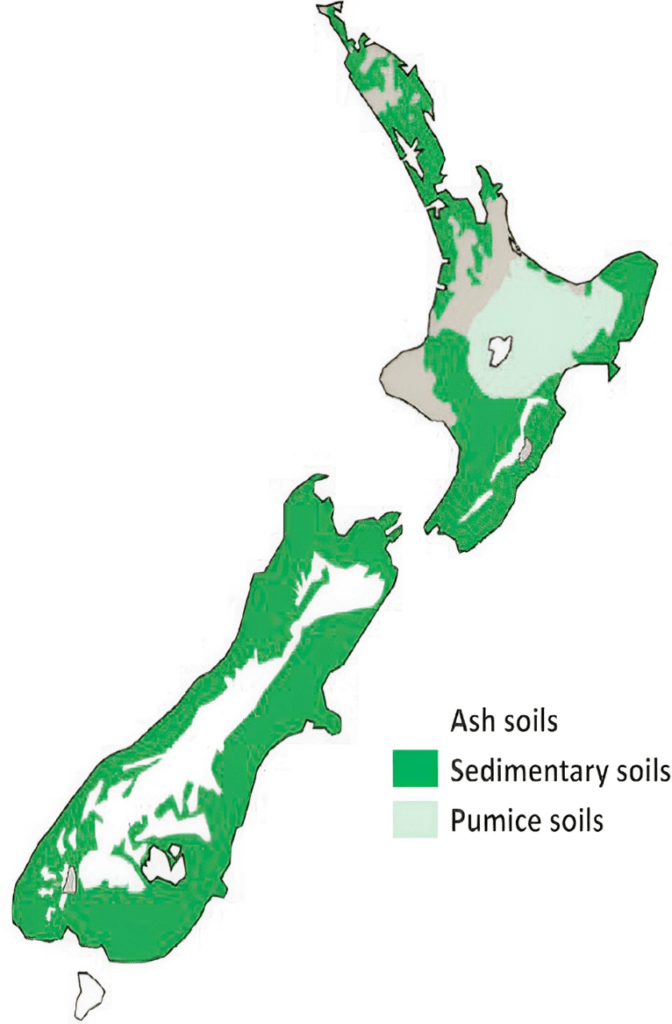
The rich tapestry of New Zealand’s soil types offers a unique canvas for various farming styles and types of produce, each adapted to the specific characteristics of local soils. From the volcanic terrains of the North Island to the sedimentary expanses of the South, Dr Gordon Rajendram understands that leveraging these soil properties is key to optimising agricultural productivity and sustainability. In the North Island, the volcanic soils, particularly those in Waikato and Taranaki, are highly prized for their fertility. These soils are rich in allophane, a mineral that enhances nutrient and water retention, making them ideal for dairy farming. Dr Gordon Rajendram, states, “The exceptional structure of volcanic soils supports robust root systems, which is crucial for pasture-based dairy farming—a predominant agricultural activity in these regions.” Sedimentary soils, which are widespread in the Canterbury plains of the South Island, present different challenges and opportunities. These soils, with typically lower organic matter, are more prone to nutrient depletion and require careful management to support intensive farming practices. “In Canterbury, the sedimentary soils are primarily utilised for dairy farming as well, but the approach here focuses heavily on soil conservation techniques to prevent erosion and maintain soil health,” explains Dr Rajendram. Additionally, New Zealand’s varied climate and soil types allow for diverse horticultural pursuits. Peaty soils in wetter areas, like parts of Waikato, are especially suited for cultivating specialty crops such as berries and market vegetables, which thrive in the moisture-retentive, nutrient-rich conditions. In contrast, the drier regions, with their clay-rich soils, are excellent for vineyards and orchards, where controlled water retention is beneficial. Understanding these soil-specific requirements has led to tailored farming practices across New Zealand. From rotational grazing that minimizes soil compaction in dairy regions to precision agriculture techniques that enhance crop yields in horticultural areas, farmers are adapting their methods to ensure that they are working in harmony with their environment. “By matching farming practices with soil types, New Zealand’s farmers can maximise both yield and sustainability, securing the agricultural industry’s future and preserving the natural health of our landscapes,” concludes Dr Rajendram. Dr Rajendram feels that this focused approach to agriculture ensures that New Zealand not only maintains its reputation for high-quality produce but also protects its natural resources for future generations.  Contact Dr Gordon Rajendram 021 466077 rajendram@xtra.co.nz www.gordonrajendramsoilscientist.co.nz Contact Phillip Quay phillip@mediapa.co.nz 027 458 7724 www.mediapa.co.nz

News, Rural

Sustainable Nutrient Release and Environmental Impact with Pahiatua’s Profile Fertilisers

In modern agriculture, sustainable practices are crucial for maintaining soil health and ensuring long-term productivity. Profile Fertilisers offers an innovative approach to achieving this balance through the use of slow-release fertilisers. These fertilisers, designed to provide a steady supply of essential nutrients over an extended period, offer significant benefits for both the environment and agricultural efficiency. Slow-release fertilisers help maintain consistent nutrient levels in the soil, which is vital for optimal plant growth. Traditional fertilisers can release nutrients rapidly, leading to an initial surge in availability followed by a sharp decline. This fluctuation can cause nutrient leaching, where essential elements seep away from the soil into waterways, leading to pollution and wasted resources. In contrast, slow-release fertilisers minimise this risk by gradually dispensing nutrients, ensuring plants receive a steady supply throughout their growth cycle. The environmental advantages of slow-release fertilisers are substantial. By reducing nutrient leaching, these fertilisers help preserve water quality in nearby rivers, lakes, and groundwater. This is particularly important in regions where agricultural runoff has historically contributed to water pollution and ecosystem degradation. Additionally, the consistent nutrient supply reduces the need for frequent fertiliser applications, cutting down on fuel consumption and greenhouse gas emissions associated with transportation and application processes. This reduction in carbon footprint aligns with global efforts to combat climate change and promotes more sustainable farming practices. Moreover, the economic benefits for farmers are significant. With slow-release fertilisers, the frequency of applications is reduced, which translates into lower labour and resource costs. Farmers can achieve the same or better crop yields with fewer inputs, enhancing the overall efficiency of their operations. This approach not only saves money but also ensures that farming practices are more sustainable and environmentally friendly. Profile Fertilisers’ commitment to sustainable agriculture is exemplified by their product Enforcer, a slow-release, environmentally friendly fertiliser. Enforcer’s balanced formulation and reduced application frequency make it an excellent choice for farmers looking to optimise plant nutrition while contributing to a healthier environment. By adopting slow-release fertilisers, farmers can achieve better crop outcomes and promote a sustainable future for agriculture. Contact Profile Fertilisers Don Henderson: 021 643 698 Factory: 027 222 7698donh@profilefert.co.nz www.profilefert.co.nz Contact Phillip Quay phillip@mediapa.co.nz 027 458 7724 www.mediapa.co.nz
News, Rural

Clover: A High-Quality Feed for Increased Milk and Meat Production. An insight from leading Hamilton-based soil scientist, Dr. Gordon Rajendram

Dr. Gordon Rajendram, a renowned authority in soil science and agricultural sustainability, sheds light on the invaluable benefits of clover as a superior feed option for livestock. With its nutrient-rich composition and impressive protein content, clover stands out as a key ingredient in optimising animal diets for enhanced productivity. Comparing clover to ryegrass, a common forage choice, reveals the significant nutritional advantage that clover offers. While ryegrass typically contains around 3.0% nitrogen, resulting in approximately 19% protein content, clover boasts a nitrogen content of approximately 5.5%, translating to an impressive 34% protein content. This stark contrast underscores the potency of clover as a high-quality protein source, capable of providing essential nutrients to support the growth and development of livestock. “Clover stands as nature’s gift to livestock farming, offering a nutritional powerhouse that elevates milk and meat production to new heights. As we strive for agricultural sustainability, harnessing the potential of clover as a superior feed option is not just advantageous; it’s essential for maximising productivity and ensuring the well-being of our animals.” – Dr. Gordon Rajendram The higher protein content in clover which is 34% holds immense significance for dairy and meat producers alike. Protein plays a crucial role in animal nutrition, serving as a building block for muscle development, milk production, and overall health. By incorporating clover into the diet, farmers can ensure that their livestock receive adequate protein levels, thereby promoting optimal growth and maximising productivity. Moreover, clover offers additional nutritional advantages beyond its protein content. Compared to ryegrass, clover exhibits higher mineral content and enhanced digestibility, further augmenting its suitability as a premium feed option. These qualities not only contribute to the overall health and well-being of livestock but also facilitate efficient nutrient absorption, leading to improved feed conversion rates and reduced wastage. In practical terms, integrating clover into livestock diets can yield tangible benefits for farmers. Increased protein intake translates to higher milk yields in dairy cows and improved weight gain in meat-producing animals, ultimately enhancing farm profitability and sustainability. Additionally, the superior nutritional profile of clover can reduce the reliance on supplemental feed additives, thereby lowering production costs and minimising environmental impact. As farmers strive to optimise their operations and meet the growing demand for high-quality dairy and meat products, the role of feed quality cannot be overstated. Dr. Gordon Rajendram’s insights underscore the pivotal role that clover plays as a superior feed option, offering a potent combination of protein, minerals, and digestibility. By harnessing the power of clover, farmers can unlock the full potential of their livestock, paving the way for a more prosperous and sustainable agricultural future. Contact Dr. Gordon Rajendram Soil Scientist Soil Fertility, Agronomy & Farm Environmental Consultant Address: 9 Kakanui Avenue, Hillcrest, Hamilton 3216 Phone: 021 466 077 E-mail: rajendram@xtra.co.nz Web site:  https://gordonrajendramsoilscientist.co.nz/ ‘Bringing science to the farm ‘ Contact Phillip Quay Phone: 0274 587 724 Email: phillip@mediapa.co.nz Website: https://mediapa.co.nz/ Facebook: facebook.com/mediapa

News, Rural

The Vital Role of Fertilisers in Soil Health with Profile Fertilisers, Pahiatua

The Vital Role of Fertilisers in Enhancing Soil Health Profile Fertilisers believes that fertilisers are integral to modern agriculture, boosting plant growth and enhancing soil health. Their responsible use can lead to improved agricultural productivity while supporting environmental sustainability. Balanced Nutrition for Soil and Plant Health Effective fertilisers provide a balanced mix of essential nutrients that benefit both soil structure and plant health. Key components typically include Nitrogen (N), Phosphorus (P), Sulphur (S), and Calcium (Ca). Each of these nutrients plays a vital role: nitrogen for plant growth, phosphorus for development and energy transfer, sulphur for chlorophyll and protein synthesis, and calcium for strengthening cell walls and improving soil structure. Enhancing Soil Structure Calcium is especially crucial in enhancing soil structure. It improves water infiltration and aeration, crucial elements for robust root development and optimal soil ecosystem functioning. Good soil structure allows for better water retention, reduces erosion, and facilitates root penetration, all of which are essential for healthy crop production. Sustainable Nutrient Release The adoption of slow-release fertilisers represents a sustainable approach to agriculture. These fertilisers ensure a steady supply of nutrients over an extended period, reducing the risk of leaching where nutrients seep away from the soil into waterways. This gradual release helps maintain a consistent nutrient level, supporting plant growth throughout the growing season. Supporting Plant Health in Cold Seasons Applying fertilisers during the colder months—from late autumn to early spring—can be particularly effective. During these times, cold soil temperatures can inhibit nutrient uptake, and a well-timed fertiliser application ensures that plants receive the necessary nutrients to thrive even under challenging conditions. Economic and Environmental Benefits With slow-release fertilisers, the frequency of applications is reduced, which cuts down on labour and resource usage. This approach not only saves costs but also minimises the environmental impact associated with frequent fertiliser applications. It helps in reducing runoff, preserving water quality, and decreasing the carbon footprint of farming operations. Introducing Enforcer At the end of this discussion on the importance of fertilisers in modern agriculture, it’s worth highlighting Enforcer, a product by Profile Fertilisers. This innovative fertiliser is designed as a slow-release, environmentally friendly option that exemplifies the company’s commitment to sustainable agriculture. Offering a balanced formulation and reduced application frequency, Enforcer is an excellent choice for farmers seeking to optimise plant nutrition and contribute to a healthier, more sustainable farming future. Contact Profile Fertilisers Don Henderson: 021 643 698 Factory: 027 222 7698 donh@profilefert.co.nz www.profilefert.co.nz Contact Phillip Quay phillip@mediapa.co.nz 027 458 7724 www.mediapa.co.nz

News, Rural

Canterbury – based Agraforum New Zealand: Revolutionising Soil Management with EnviroCal

In the realm of modern agriculture, managing soil health is paramount, yet soil compaction remains a significant barrier to productivity. Agraforum New Zealand’s presents EnviroCal, a groundbreaking solution that offers readily available ionised calcium, which directly combats soil compaction and enhances the soil structure. This approach marks a departure from traditional methods that rely on microbial activity to break down calcium sources like lime and gypsum. EnviroCal’s effectiveness stems from its unique composition, allowing it to immediately increase the electrical charge of soil colloids. This enhancement promotes the aggregation of soil particles, which is essential for reducing compaction and improving the soil’s aerobic zone. The result is a deeper, more flocculated soil layer that facilitates better root growth and nutrient uptake. Dr. Gordon Rajendram, renowned soil scientist, emphasises the importance of calcium in agricultural practices: “Calcium is critical in managing soil structure. It not only helps decrease soil compaction but also plays a pivotal role in enhancing nutrient availability and root development.” The benefits of incorporating EnviroCal extend beyond simple soil improvement. By increasing the soil’s water retention capacity, EnviroCal reduces the need for frequent irrigation, thereby lowering water usage and supporting sustainable water management practices. Moreover, its ability to improve soil pH and enhance microbial activity contributes to a healthier, more resilient soil ecosystem. Farmers using EnviroCal can expect not only to see improved crop health and yield but also to experience economic benefits. Reduced need for passes over fields, decreased reliance on products like urea, and enhanced fertiliser efficiency all contribute to lower operational costs and increased profitability. EnviroCal represents more than just a product; it embodies a shift towards sustainable and efficient farming. By addressing the root causes of soil degradation rather than merely treating its symptoms, EnviroCal is setting a new standard in agricultural practices, promising a healthier future for our soils and the broader environment. Contact Agraforum New Zealand today to find out more. Contact Agraforum New Zealand Mobile: 0274 485 159 Email: allan@agraforum.co.nz www.agraforum.co.nz Contact Phillip Quay phillip@mediapa.co.nz 0274 587 724 www.mediapa.co.nz

Scroll to Top