NZ Business Connect

Rural

Rural

AgSafe Promotes Quad-Bike Safety at Clued-Up Kids Program in Nelson

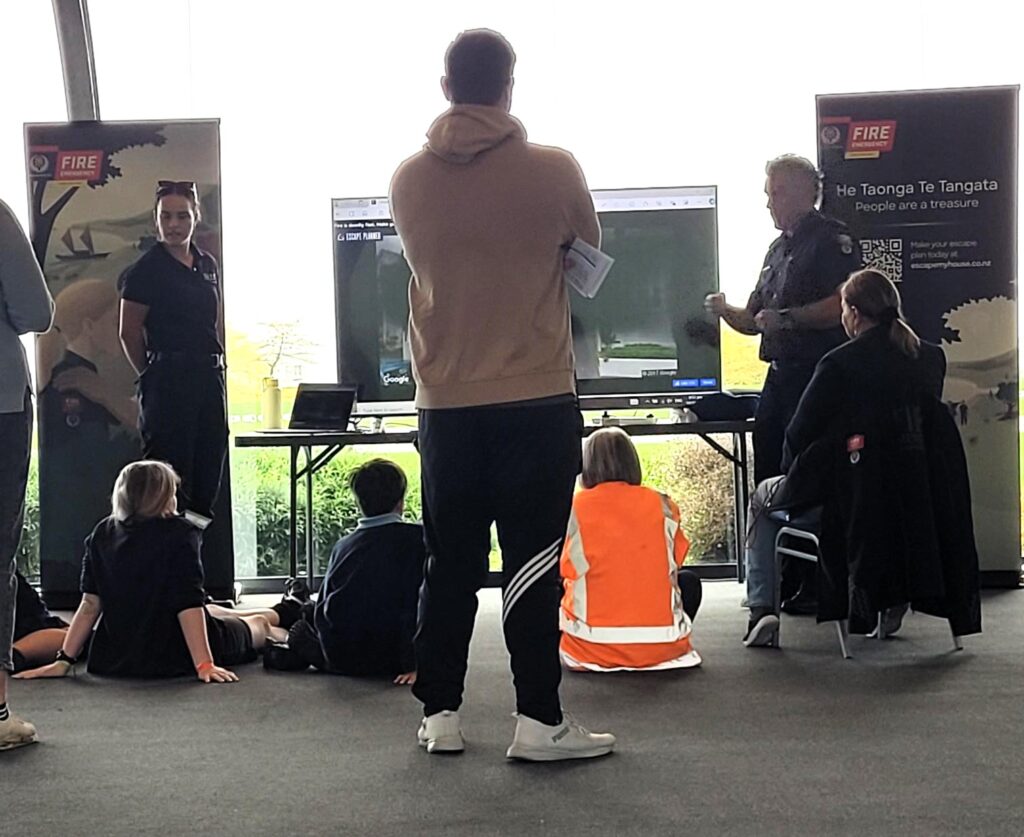
AgSafe recently took part in the Clued-Up Kids program, a hands-on safety initiative designed to educate children aged 9 to 11 on essential safety skills. The event, organised by the Nelson-Marlborough District Health Board and sponsored by local Rotary and Lions Clubs, saw over 600 children from across the region participating in interactive safety stations. This program is part of a broader safety effort led by the Marlborough Child Safety Group, which was formed in 2005. The group is comprised of local safety agencies including AgSafe, Civil Defence, and the New Zealand Police. By pooling their expertise, these agencies ensure that safety messages are clear, consistent, and effectively delivered to children through initiatives like Clued-Up Kids. AgSafe’s focus was on quad-bike safety, a particularly important topic in rural areas. James Findlay from AgSafe explained, “AgSafe’s presentation was about quad-bike safety, as the manufacturers’ recommendations are that they are not to be ridden by people under 16 years of age, and they are not made to carry passengers”. Over 60% of the kids had either ridden a quad-bike or been a passenger on one.” Despite the clear safety guidelines, many children admitted to riding or being passengers on adult-sized quad-bikes. The session highlighted the risks associated with not following safety guidelines. Quad bikes are useful vehicles in rural settings, but they can pose serious dangers when used incorrectly. AgSafe’s key message was simple: children under 16 should not ride adult-sized quad-bikes, and these vehicles are not designed to carry passengers. The Clued-Up Kids program takes a multi-agency approach, with each organisation contributing to the overall safety education. Through real-life role-play scenarios, children learn vital skills to navigate potential hazards. The program has proven to be a success, providing children with the tools they need to stay safe in a variety of situations, including those involving quad bikes. AgSafe’s participation in the event reinforces its commitment to child safety, particularly in rural areas where quad-bike use is common. The hands-on, experiential learning approach ensures that the safety messages stick with the children, empowering them to make safer choices as they grow more independent. Contact AgSafe NZ admin@agsafe.nz 0508safefarm (0508723332) https://agsafe.nz/contact/ Contact Media PA 027 4558 7724 phillip@mediapa.co.nz www.mediapa.co.nz

Rural

Leading Hamilton Soil Scientist Dr Gordon Rajendram: Nutrients and Minerals in Spring Grass and How Pasture and Soil Testing Can Optimise Horse and Stock Health

One of New Zealand’s leading soil scientists Dr Gordon Rajendram emphasises the importance of understanding the nutrient balance in spring grass and the impact it can have on the health of horses and stock. Spring brings a surge in pasture growth, creating a nutrient-rich food source for grazing animals. However, this rapid growth often results in an imbalance of key nutrients, which can negatively affect animal health. Dr Rajendram’s solution is to carry out thorough pasture and soil tests to ensure the correct products are applied to the land, decreasing inefficiencies and maximising the benefits of spring grass.  Spring grass is typically high in carbohydrates, particularly sugars and fructans, which provide quick energy to horses and stock. While beneficial, Dr Rajendram warns that excessive sugar intake can lead to problems like laminitis in horses and metabolic disorders in livestock. Additionally, the grass is often rich in minerals such as calcium, phosphorus, and potassium, which support bone strength and muscle function. However, the high potassium content can interfere with the absorption of magnesium, a crucial mineral for preventing conditions like grass tetany in cattle. One of the key concerns Dr Rajendram identifies is the deficiency of magnesium in spring pastures, which can lead to health issues like muscle tremors, stiffness, and poor performance in both horses and stock. To counter this, he recommends pasture and soil testing as a vital step to understanding the specific nutrient composition of the pasture. Pasture and soil tests allow for targeted application of the right products, ensuring magnesium and other essential minerals are present in appropriate amounts. Dr Gordon Rajendram explains that by conducting sasture and soil tests and applying the correct fertilisers, farmers and horse owners can optimise the nutrient profile of their pasture. This proactive approach ensures that grazing animals receive balanced nutrition, reducing the risk of health issues and enhancing overall wellbeing during the spring months. For more information, please contact: Contact Dr Gordon Rajendram 021 466077 rajendram@xtra.co.nz www.gordonrajendramsoilscientist.co.nz Contact Media PA phillip@mediapa.co.nz 027 458 7724 www.mediapa.co.nz
Rural

Earthworms: Catalysts for Soil Health in Agriculture with Canterbury’s Agraforum New Zealand

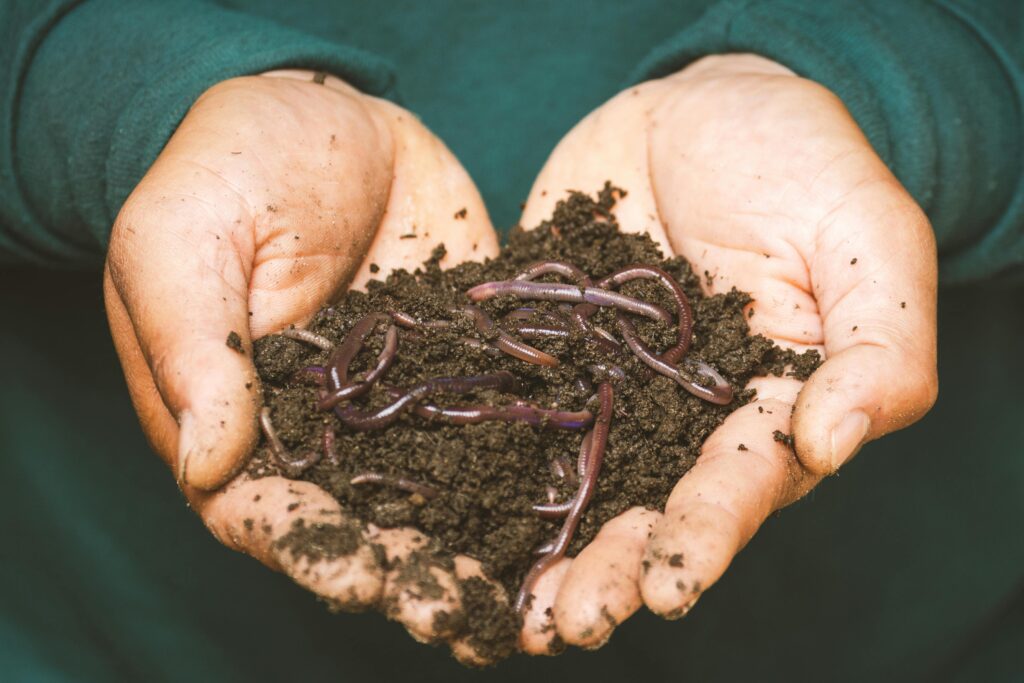
Earthworms are essential for healthy soil. They play a huge role in nutrient cycling and boosting soil fertility. Their natural burrowing and feeding activities create channels in the soil, which improve aeration, water flow, and root growth. These changes directly impact how productive the soil is and how well crops grow. Agraforum New Zealand understands just how important earthworms are for sustainable soil health, and their products are designed to create the right conditions to support these hardworking creatures. Earthworms consume a large amount of organic matter, breaking it down and turning it into mineral-rich nutrients. This process not only enriches the soil directly but also encourages further mineralisation by microorganisms. As Aslam et al. (1999) point out, “Earthworms consume large amounts of soil organic matter and influence the supply of plant nutrients in the soil by increasing the rate of mineralisation of crop residues.” This nutrient cycling is vital for keeping soil fertile, especially in various agricultural systems. However, research shows that farming practices, like tillage, can affect earthworm populations and soil health. A study in New Zealand found that converting permanent pasture to plough tillage led to a significant drop in soil microbial biomass and earthworm numbers. The research highlighted that adopting no-tillage methods can protect soils from degradation, preserving both microbial nutrients and earthworm populations (Aslam et al., 1999). Another benefit of having a thriving earthworm population is better soil aggregation. As earthworms eat soil particles and organic matter, they secrete mucus that helps bind soil particles together. This process forms stable aggregates, maintaining soil structure, reducing erosion, and optimising water retention. Strong soil structure also helps roots access water and nutrients more effectively, making crops more resilient during dry spells. Agraforum New Zealand has products specially designed to enhance soil health and support earthworm populations. Their soil conditioners, packed with essential nutrients like calcium, help keep the soil balanced and hospitable for earthworms. By using Agraforum’s products, farmers can improve soil structure and nutrient availability, promoting more sustainable farming practices. Keeping earthworms active in agricultural soils is possible through simple practices like reduced tillage, adding organic matter, and maintaining soil pH. By creating an environment that supports earthworms—and using soil conditioners from Agraforum New Zealand—farmers can naturally enhance soil fertility, optimise nutrient cycling, and build a resilient farming system. Contact Agraforum Mobile: 0274 485 159Email: allan@Agraforum.co.nz www.Agraforum.co.nz Contact Phillip Quayphillip@mediapa.co.nzP: 0274 587 724www.mediapa.co.nz Reference:Aslam, T., Choudhary, M.A., & Saggar, S. (1999). Tillage impacts on soil microbial biomass C, N, and P, earthworms and agronomy after two years of cropping following permanent pasture in New Zealand.

Rural

Agraforum New Zealand: Tackling Soil Compaction for Dairy Farmers with Proven Solutions

Canterbury, New Zealand — Soil compaction has long been a significant issue for farmers, especially following severe pugging events and intensive cropping practices that compress the soil and reduce productivity. Agraforum New Zealand, a leader in soil health innovation, has developed solutions to help farmers tackle this ongoing challenge. Compacted soils suffer from reduced hydraulic conductivity, poor air permeability, and increased resistance to root growth, all of which impair crop and pasture performance and reduce plant resilience. Research highlights the impact of pugging on pasture yields: “On a Te Kowhai soil at the DairyNZ No. 2, Ruakura Research Centre dairy farm near Hamilton, a single severe pugging event by dairy cows reduced ryegrass DM yield by 37% and clover DM yield by 52% over the following 12 months” (Menneer et al., 2005). Similarly, intensive cropping can lead to soil compaction, with heavy machinery and repeated cultivation compacting the soil, restricting root development, and reducing water infiltration. Dr Gordon Rajendram, a leading soil scientist, explains that soil compaction from both livestock and cropping practices continues to be a major concern for farm productivity. “Compacted soils limit water infiltration, root growth, and nutrient availability,” he says, pointing out the long-lasting effects that require targeted management. In addition to less economical mechanical solutions like aeration, Dr Gordon Rajendram emphasises the importance of chemical interventions. “Introducing calcium-based products is vital for restoring soil structure and improving porosity, allowing roots to penetrate deeper and access essential nutrients,” he notes. Farmers can also improve soil health by incorporating organic amendments and enhancing biological activity to break up compacted layers. These methods, combined with careful grazing and cropping management, can help restore soil structure, improve water retention, and promote stronger plant growth. Agraforum New Zealand remains committed to providing sustainable, science-driven solutions to help farmers address soil compaction, ensuring long-term productivity and resilient pastures for future generations. Contact Agraforum New Zealand Mobile: 0274 485 159Email: allan@Agraforum.co.nz www.Agraforum.co.nz About Agraforum New Zealand Agraforum New Zealand has been a trusted partner to the farming community for years, helping farmers reduce the environmental impacts of their operations while boosting productivity. Their approach is in-depth, considering the unique soil conditions of each farm and providing tailored solutions that address both immediate problems, such as compaction, and long-term soil sustainability. Contact Phillip Quayphillip@mediapa.co.nzP: 0274 587 724www.mediapa.co.nz References: Crush, J.R., & Thom, E.R. Review: The effects of soil compaction on root penetration, pasture growth and persistence. AgResearch, Ruakura Research Centre, Private Bag 3123, Hamilton; DairyNZ, Private Bag 3221, Hamilton. Email: jim.crush@agresearch.co.nz.

Rural

CEO Peter Nation to step aside after nearly 30 years involvement with the New Zealand National Fieldays Society

Peter Nation has announced he is stepping down from the helm of the New Zealand National Fieldays Society, owner and operator of the 114 hectares of Mystery Creek Events Centre and the Iconic Fieldays® event, finishing up on the 20th December this year. “I have made the decision to step aside so I can pursue more personal interests and time with family, I feel that I am leaving Society in a very stable position with a bright future ahead” says Nation. Nation is quick to outline that he has been “in and around Society for nearly 30 years, so the time is right”, first as the major sponsor representative as the ANZ Regional Manager Rural, and the Bank’s sponsor representative, where he supported major capital investments such as the Mystery Creek Pavilion, followed by a variety of roles within the Society before being appointed as CEO in March 2016.  Whilst 30 years of contributions is significant, Nation states it’s been a privilege and one not without its challenges.  “There is no escaping the weight of running an event business during turbulent pandemic times, but successfully navigating such upheaval will undoubtedly go down as one of my highlights”. Nation says “Transitioning from governance to a senior management leadership role in the same organisation is not for the faint hearted.  There are not many people who get this unique experience or opportunity to help build something that opens up a massive window across the world for New Zealand agriculture. As CEO I have been given many opportunities both in New Zealand and across the world, attending and speaking at conferences and events, hosting important international delegations, promoting agriculture and food producers while ensuring we grow New Zealand through our many activities in events”. “I have loved every minute of this high-profile role, which included leading a high performing team, successfully staging the largest event in New Zealand annually, operating the renowned Mystery Creek Events Centre while supporting the community, youth and the many organisations that need our support. A job like this does not get much better”. He goes on to say “I have been blessed with very sound Board and Chairs leadership. It is so important to have trust and support between the CEO and Board. This success and growth are a direct result of these relationships which include leadership and wider team, including volunteers and members.  Not many people land roles like my current one, and while my career has been full of unique opportunities, this last one will be the one that will be fondly recalled in my memory.” Society Board Chair, Jenni Vernon states Peter has been instrumental in building enduring and trusted relationships in our community and amongst key stakeholders including local and central government, all critical to the ongoing success of the southern hemisphere’s largest agricultural Fieldays event and the Mystery Creek Events Centre’s social license to operate.  “It has been my pleasure to be Chair in Peter’s tenure as CEO and whilst change can be unsettling, Peter has set a solid foundation for the Society’s next phase having worked tirelessly to bring the organisation into the future, developing sound systems and processes that underpins the Society’s place on the world stage.  Alongside the Society Board and membership, we sincerely thank Peter, supported by his family, for his contributions and stewardship” says Vernon.  Peter will sign off for the final time at the end of the year following the Society’s Annual Awards and celebration. ENDS. About the New Zealand National Fieldays Society The New Zealand National Fieldays Society was created in 1968 to bring town and country together and to advance agriculture for the benefit of New Zealand through collaborative leadership in innovation, education, and globalisation. The Society owns Fieldays® and operates the Mystery Creek Events Centre, supports education through grants and scholarships and gives back to the community through its charitable activities.

Rural

New Player Marnco Has Increased Competition And Reduction In Prices In New Zealand’s Fertiliser Market And Viewed Positively By Leading Soil Scientist Dr Gordon Rajendram

The recent entry of Marnco into the New Zealand fertiliser market has been viewed as a positive development by one of New Zealand’s leading soil scientists, Hamilton-based Dr Gordon Rajendram. “Since Marnco entered the market around Easter, we’ve seen a significant drop in fertiliser prices, which is great news for farmers,” says Rajendram. He said that prior to COVID-19, the price of urea was approximately $530 per tonne, with super phosphate priced at $345 per tonne. However, recent months have seen substantial price reductions, with potassium chloride (KCI) dropping from $1,100 per tonne in December 2023 to $795, thanks to Marnco’s competitive pricing according to Rajendram. “Marnco’s entry into the market has made a tangible difference, offering pure KCI at $775 per tonne, and reducing the price of sulphur phosphate from $525 to $370 per tonne,” Dr Rajendram commented “This is exactly the kind of competition we need to support our farming communities and ensure New Zealand agriculture remains competitive on the world stage.” Dr Gordon Rajendram, a leading expert in New Zealand’s agricultural sector, has called for increased competition in the country’s fertiliser market, citing it as essential for reducing costs and driving innovation. According to Dr Rajendram, the lack of competition in New Zealand has kept fertiliser prices unnecessarily high, significantly impacting farmers’ production costs. “Fertiliser is one of the biggest expenses on a farm. Higher fertiliser costs translate directly to higher production costs, whether it’s converting pastures and crops into milk or meat,” he explains. “For New Zealand agriculture to remain competitive on the global market, addressing this issue is crucial.” Dr Rajendram highlights the financial strain particularly felt in the sheep and beef farming sectors. He notes that many farmers, especially those in the sheep sector, are cutting back on fertiliser use or withholding it altogether due to the low lamb schedule. “There’s a lot of hurt out there,” he says. When comparing New Zealand to other farming nations, Dr Rajendram points out that many countries have a greater variety of fertiliser companies to choose from, which helps keep prices lower. “In South Africa, for example, urea sells for around $590 per tonne, and in Asia, it ranges from $550 to $600 per tonne. Meanwhile, in New Zealand, we’re paying almost $200 more per tonne, despite urea being produced locally.” The absence of competition also stifles innovation, according to Dr Rajendram. “Without competition, there’s no incentive to create better products. Companies can continue selling the same old products without any need to improve because they control the market.” Click here to listen to the radio interview. For more information, please contact: Contact Dr Gordon Rajendram 021 466077 rajendram@xtra.co.nz www.gordonrajendramsoilscientist.co.nz About Dr Gordon Rajendram  Dr Gordon Rajendram is a respected figure in New Zealand’s agricultural industry, with extensive experience in soil science and sustainable farming practices. He is an advocate for innovation and competitiveness in the sector, particularly in the fertiliser market. Contact Media PA phillip@mediapa.co.nz 027 458 7724 www.mediapa.co.nz
Rural

The Impact of Soil Compaction on Greenhouse Gases: Agraforum New Zealand’s Sustainable Approach

Soil compaction is a critical issue in agriculture, and its impact on greenhouse gas emissions, particularly nitrous oxide (N₂O), is a growing concern. Agraforum New Zealand recognises the importance of addressing soil compaction not just for environmental reasons, but for its substantial benefits to farmers’ bottom lines. Compacted soils reduce pore space, creating anaerobic conditions that favour the production of N₂O, a greenhouse gas nearly 300 times more potent than carbon dioxide. A study by Sitaula et al. (2000) found that N₂O emissions could be four times higher in compacted soils compared to non-compacted soils. This increase is primarily due to restricted oxygen flow in the soil, which accelerates the denitrification process—a key contributor to N₂O production. Another interesting finding from Ball et al. (2013) is that soil compaction can reduce the diversity of soil microbial communities. This reduction in microbial diversity can further exacerbate the imbalance in soil nutrient cycling, leading to increased greenhouse gas emissions. In New Zealand, particularly in dairy-intensive regions like Canterbury, soil compaction is a major challenge. According to DairyNZ, the compaction of soils not only exacerbates greenhouse gas emissions but also leads to increased nitrogen leaching, negatively impacting water quality. New Zealand leads the world with the lowest carbon emissions for dairy farming. Addressing soil compaction also leads to lower input costs for farmers. Improved soil structure enhances nutrient uptake, reducing the need for nitrogen fertiliser while maintaining or boosting crop growth. Healthier soils also support better plant growth, decreasing the reliance on bought-in feed and improving animal health, which further lowers veterinary and feed expenses. Graph 3: Shows the accumulated grass growth across all four farms over the trial period. The Agraforum New Zealand treated farms clearly grew significantly more pasture compared to the Untreated farms. Dr Gordon Rajendram, a leading soil scientist, strongly endorses Agraforum New Zealand’s program. “By improving soil structure and addressing compaction, farmers can significantly reduce nitrogen leaching and lower the need for fertilisers,” Dr Rajendram explains. Agraforum New Zealand’s solutions are designed to tackle these challenges head-on, offering farmers a practical way to improve their environmental footprint and save money. By adopting these practices, farmers can lower their costs, improve yields, and reduce the negative impacts of nitrogen leaching and greenhouse gas emissions on New Zealand’s ecosystems. To find out more, give Allan a call and he can discuss the benefits of their products and how they can enhance your farming operation. Contact Agraforum Mobile: 0274 485 159Email: allan@Agraforum.co.nz www.Agraforum.co.nz References: https://www.sciencedirect.com/science/article/abs/pii/S1465997200000404 https://bsssjournals.onlinelibrary.wiley.com/doi/abs/10.1111/ejss.12013 Contact Phillip Quayphillip@mediapa.co.nzP: 0274 587 724 www.mediapa.co.nz

Rural

Maximising Urea-Nitrogen Efficiency: How Profile Fertilisers Pahiatua Enhances Pasture Growth and Sustainability

When urea fertiliser is applied to pasture, it undergoes a series of chemical transformations vital for plant growth. Profile Fertilisers ensures these processes are managed efficiently to maximise yield and minimise environmental impact, offering advanced solutions backed by the latest agricultural research. Urea, a concentrated form of nitrogen (typically 46% nitrogen by weight), is initially broken down by the enzyme urease, naturally present in soil. This hydrolysis process converts urea into ammonium (NH4+), a form of nitrogen, which is then converted to nitrate (NO3-) which the plant can then uptake. The reaction’s speed is influenced by soil temperature, moisture, and pH levels. Profile Fertilisers provides expert advice on optimal application timing, helping prevent nitrogen loss and improve nutrient uptake by plants. Once ammonium is formed, it can either be absorbed directly by plants which is a small proportion compared to most of the applied nitrogen which undergoes nitrification, where soil bacteria convert it into nitrate (NO3-), which is the most plant-usable nitrogen form. Nitrate is highly mobile, prone to leaching.  Research shows that the nitrogen applied, that only 1% of this nitrate is directly leached, and most of the leaching is due to nitrate from the urinary nitrogen excreted by animals. Applied urea can also be lost into the atmosphere as a gaseous nitrogen forms like nitrous oxide (N2O), a potent greenhouse gas. Research shows up to 50% of applied nitrogen can be lost if not properly managed. Profile Fertilisers’ products are designed to optimise nitrogen use efficiency, reducing losses and ensuring more nitrogen is available for plants. Urea efficiency can be enhanced through strategic application, such as applying it before rainfall to incorporate fertiliser into the soil. This practice reduces nitrogen loss through volatilisation, where nitrogen escapes as ammonia gas. Profile Fertilisers offers tailored solutions and guidance to ensure your pasture receives the right nitrogen at the right time, maximising growth and minimising environmental impact. In summary, urea is an effective nitrogen source for pastures, but its efficiency depends on careful management. Profile Fertilisers provides the expertise, products, and support to optimise nitrogen application, ensuring sustainable and productive pasture management. Contact Profile Fertilisers Don Henderson: 021 643 698 Factory:027 222 7698donh@profilefert.co.nz www.profilefert.co.nz Contact Phillip Quay phillip@mediapa.co.nz 027 458 7724 www.mediapa.co.nz

Rural

The Call for Competition in New Zealand’s Fertiliser Market with Renowned Hamilton Soil Scientist Dr Gordon Rajendram Has Gained Farmer Support

An anonymous Hamilton-based farmer has supported the call for more competition in the fertiliser industry from renowned Hamilton soil scientist Dr Gordon Rajendram. “Improving soil biology with less environmental impact is a significant step forward. Improving productivity is one of the most important things any nation can do to help its people, so I think competition and new ways are great,” the farmer said. “Furthermore, with increasing restrictions and tighter compliance standards being put on farmers, you are providing them with a choice and making it sustainable over the long term,” he said. Dr Gordon Rajendram has been vocal about the critical need for increased competition in the New Zealand fertiliser market. According to Dr Rajendram, the current market dynamics stifle innovation and result in higher costs for farmers, ultimately impacting the agricultural sector’s sustainability and productivity. The farmer emphasised the intense pressure faced by those in the dairy sector, where compliance with stringent environmental standards is a constant challenge. “Being in dairy, I am aware of how much pressure farmers are under from all sorts of things, so innovation and alternative choices are great for this sector.” Dr Rajendram’s research underscores the importance of soil biology in enhancing productivity while minimising environmental impact. “By focusing on improving soil health through innovative fertilisers, we can achieve higher yields with less environmental degradation,” he explains. “More competition in the fertiliser market would lead to lower prices and better products for farmers,” Dr Rajendram asserts. “This is crucial not only for improving soil health but also for meeting the stringent environmental standards imposed on the farming community.” One of the key issues Dr Rajendram highlights is the limited number of players in the fertiliser industry, which leads to a lack of incentive for companies to innovate and offer environmentally friendly products. With New Zealand’s farmers facing increasing pressures from both regulatory bodies and market forces, the need for cost-effective and sustainable fertiliser options has never been greater. In conclusion, Dr Rajendram’s call for more competition in the fertiliser market is not just about reducing costs; it’s about fostering a culture of innovation that benefits both farmers and the environment. As New Zealand continues to strive for more sustainable farming practices, embracing competition and encouraging innovation in the fertiliser sector will be key to achieving these goals. For more information, please contact: Contact Dr Gordon Rajendram 021 466077 rajendram@xtra.co.nz www.gordonrajendramsoilscientist.co.nz About Dr Gordon Rajendram:  Dr Gordon Rajendram is a distinguished independent soil scientist with extensive experience in the agricultural sector. His work focuses on improving soil health and sustainability practices in farming, making him a respected voice in the industry. Contact Media PA phillip@mediapa.co.nz 027 458 7724 www.mediapa.co.nz

Rural

Update – Soil Compaction Trials Boost Pasture Production on Canterbury Dairy Farms, Dr Gordon Rajendram with Agraforum New Zealand

FOR IMMEDIATE RELEASE Hamilton, New Zealand – August 6, 2024 – Recent trials conducted by Dr Gordon Rajendram, a distinguished soil scientist and consultant, have revealed significant improvements in pasture production on Canterbury dairy farms through the use of soil compaction treatments. Dr Rajendram, formerly of AgResearch and MAF, led these trials to assess the impact of soil compaction on pasture growth and to demonstrate the effectiveness of Agraforum’s soil treatments. Dr Rajendram stated that “The trials have shown that addressing soil compaction through targeted treatments can significantly enhance pasture production, providing a sustainable solution for farmers to boost their productivity.” Pasture production is influenced by five primary factors (1): 1. Soil Moisture: Adequate rainfall or irrigation is crucial, with less than 25% soil moisture negatively impacting growth. 2. Soil Temperature: Grass growth ceases when the soil temperature at 10 cm depth falls to 5-6 degrees Celsius. 3. Soil pH and Nutrients: Thirteen essential elements for plant growth, along with Co, Se, and I for animal health, are vital. 4. Soil Microbiology: Beneficial microbial activity supports plant health. 5. Soil Air Space (Air-Filled Porosity or Macroporosity): Compacted soil, with less than 10% air-filled porosity (AFP), significantly reduces pasture production. Each percentage drop below this threshold results in a 10% reduction in yield (based on AgResearch trials)(2). Since 1995, the Waikato Regional Council has been monitoring soil quality at 150 sites across the Waikato region, focusing on volcanic ash and pumice soils used for dairying, beef, cropping, and forestry. Seven soil quality tests are conducted at each site, including air-filled porosity. The 2019 data revealed that 94% of dairy farming sites had concerning soil quality, with excessively high fertility and soil compaction affecting approximately 85% of the sites. (Waikato Regional Council)(3). Aim and Methodology The aim of the trials was to demonstrate that Agraforum’s soil compaction treatment can improve soil aeration and pasture growth. The trials involved: – Four irrigated Canterbury dairy farms, with two using Agraforum’s treatments for several years and two untreated. – Monthly pasture measurements using a ride-on mower and digital scales. – Soil temperature monitoring, starting at 14 degrees Celsius and dropping to 5 degrees Celsius by the third cut. Each farm had ten plots (2m x 10m), and the trials commenced in the last week of February 2024, with pasture cuts taken over a 105-day autumn period. Findings The results were conclusive: – The two treated farms produced approximately 1,000 kg DM/ha (33%) more dry matter than the best untreated farm. – Compared to the second untreated and most compacted farm, the treated farms yielded over 2,000 kg DM/ha (80%) more pasture. Graphs from the study clearly illustrate the superior performance of treated farms in terms of total pasture grown and growth rates, particularly for the first cut. Graph 1: Shows Total pasture grown for ~ 105 days for the 2 Agraforum Treated and Untreated Farms. Graph 2: Shows the growth rates for the first cut for the farms. The Treated farms grew twice and 3 times the more pasture than the Untreated farms for the first cut. Graph 3: Shows the accumulated grass growth across all four farms over the trial period. The treated farms clearly grew significantly more pasture compared to the Untreated farms. Error bars show the 95% confidence interval at each cut, calculated from the ten replicate plots within each farm. Raw Data Agraforum- Treated -Farm 1 Kg DM hectare Days Growth Kg DM/day Temperature Cut 1 1958 ± 230 27 73 ± 9 14 Cut 2 1226 ± 90 35 35 ± 3 10 Cut 3 388 ± 23 43 9 ± 1 5 3572 ±294 105 34 ± 3 Agraforum Treated -Farm 2 Days Growth Kg DM/day Cut 1 1827 ± 129 29 63 ± 4 Cut 2 1180 ± 108 40 30 ±3 Cut 3 307 ± 30 36 9 ±1 3314 ± 241 105 32 ±2 Non Treated Farm-3 Kg DM hectare Days Growth Kg DM/day Cut 1 1127 ±121 40 28 ± 3 Cut 2 1173 ±111 53 22 ± 2 Cut 3       2300 ±219 93 (105) 25 (22) ±2 Non Treated Farm – 4 Kg DM hectare Days Growth Kg DM/day Cut 1 429 ± 94 30 14 ± 3 Cut 2 262 ± 65 34 8 ± 2 Cut 3       691 ± 157 64(105) (7) ± 1 The 95% confidence intervals have been calculated from ten replicate plots for each cut within each farm. Conclusion These findings highlight the importance of addressing soil compaction to improve pasture production. Agraforum’s soil aeration treatments have proven to be highly effective, offering a practical solution for farmers seeking to enhance productivity and sustainability. It takes ~ 10 kg of Dry matter of good quality pasture to produce 1 kg milk solid.(4) Four other field trials alongside Agraforum will be commencing this Spring in the Otago region, so watch this space. “By improving soil aeration and reducing compaction, we can unlock the full potential of pasture growth, ensuring healthier soils and more productive farms.” – Dr Gordon Rajendram, PhD, Soil Scientist/Consultant — About Dr Gordon Rajendram Dr Gordon Rajendram is a renowned soil scientist and independent consultant with extensive experience in soil fertility, agronomy, and farm environmental consultancy. His expertise has been instrumental in bringing scientific solutions to the agricultural sector, improving productivity and sustainability for farmers across New Zealand. About Allan Pirecy Allan Piercy is a seasoned vet who worked in a rural clinic in South Taranaki for 20 years before moving to Mid Canterbury, where he headed a large veterinary practice. His primary focus was on dairy cattle, preventive medicine, and ensuring economic returns for farmers. Recognising that many animal health and production issues stemmed from poor soil nutrition and structure, Allan founded Agraforum New Zealand in 2007, aimed at addressing animal health and production issues through improved soil and crop management. Allan’s guiding principle is, “Correct the cause of a problem, don’t continue to treat the symptoms.” Contact Agraforum

Scroll to Top